

At Northern Kentucky University, support for students doesn’t begin and end in the classroom. It starts with food, clothing and the ability to meet everyday needs without fear of judgment.
Through Northern Kentucky University’s programs, FUEL NKU and the Care Closet, the university has built a growing system designed to address basic-needs insecurity, a challenge that is increasingly shaping students’ ability to succeed in college.
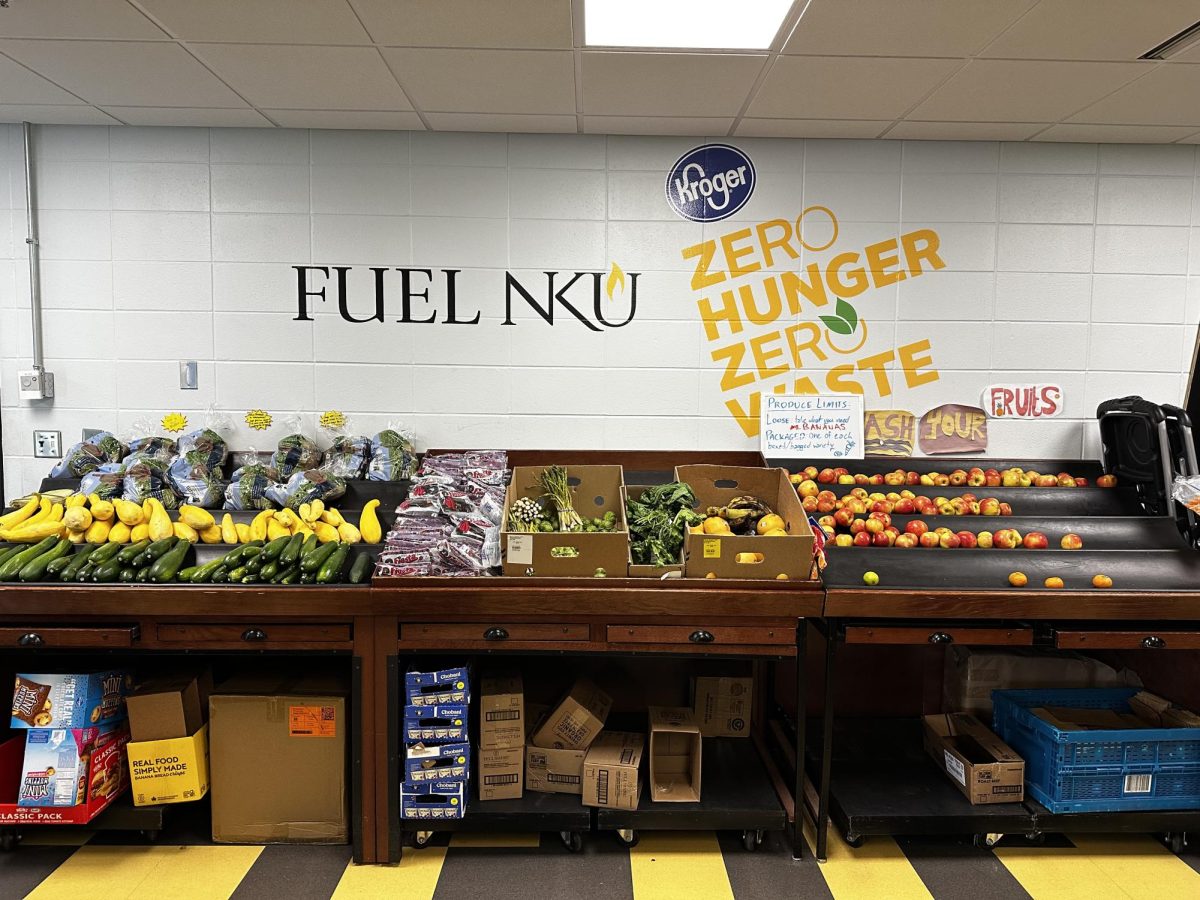
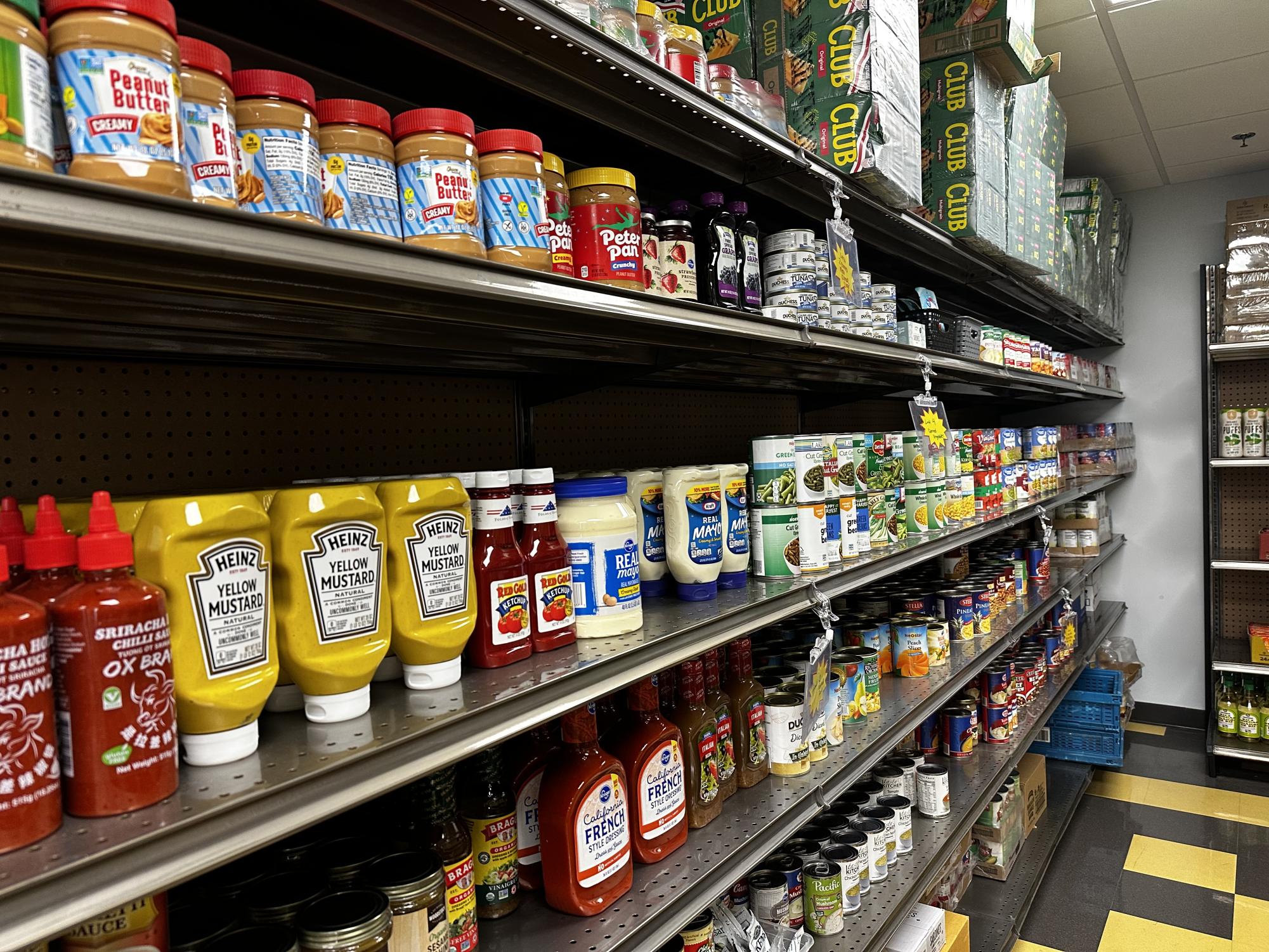
FUEL NKU, which stands for Feeding the University and Enriching Lives, operates as a free on-campus pantry providing food, hygiene items and household supplies. FUEL NKU can be found inside the Albright Health Center room 104 next to the NKU REC Center. Just a little ways across campus, the Care Closet offers free clothing — from casual wear to professional attire — available to any enrolled student.
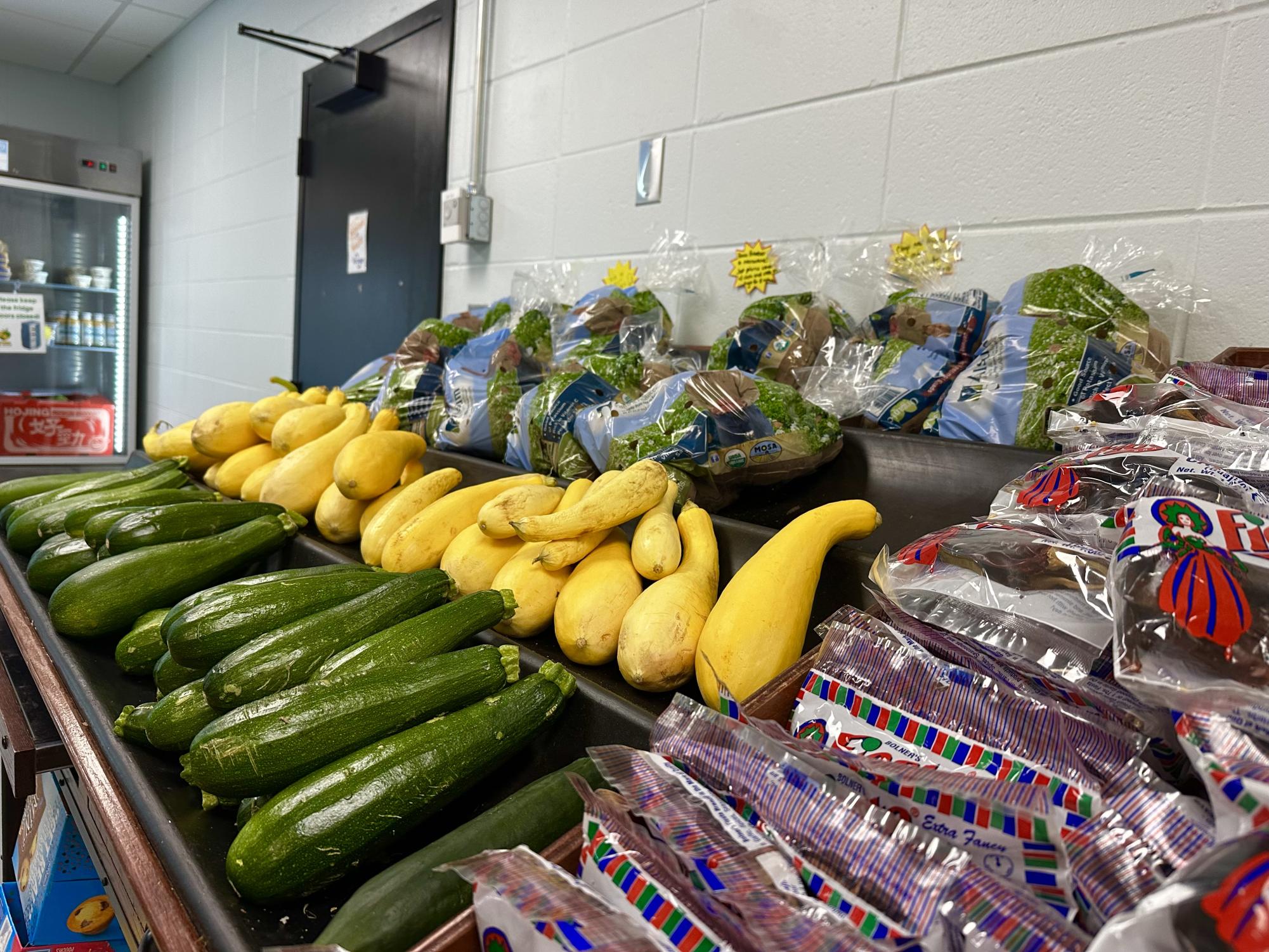
(Ella Rose Johnston)
Neither program requires proof of financial need. For students, that accessibility can make an immediate difference.
What may seem like a small, temporary solution reflects a broader shift in higher education: universities are increasingly stepping in to address students’ most basic needs — not as emergency aid, but as a necessary foundation for academic success.
FUEL NKU began in 2013 as a student-led initiative in a single room with just a couple of employees, created to support students experiencing hunger.
More than a decade later, it has grown into a 2,300-square-foot pantry that serves thousands of students each year.
“FUEL started out very small. It was like one room, I think there was two employees, and really it was more about getting out resources and how to get a lot of things that they need, more so than it was like providing those items. And now, we focus on helping more students,” said Lisa Badger, operations coordinator and college coach for FUEL NKU.
According to Peg Adams, director of University Connect and Persist (UCAP), FUEL NKU and the Care Closet, FUEL NKU has continued to grow in recent years.
The scale of that growth is reflected in the numbers.
According to the 2024–25 FUEL NKU impact report (updated October 2025) the pantry distributed 141,662 pounds of food, FUEL NKU saved students an estimated $358,813, usage increased 30% year over year in fall 2024 and more than 1 in 7 undergraduate students used the pantry.
During the school year, the pantry serves about 250 students per day, Badger said. In the summer, that number drops to about 50 to 60 students daily, reflecting lower campus activity.
The demand, however, extends beyond food.
“The biggest need for students right now I mean, in general, I think for us, we would say probably food because that’s what students mostly come here for. But I will say a lot of students are asking for resources with basic hygiene,” Badger said. “Cleaning supplies, like I need to keep my dorm room clean. I need stuff to do my laundry so that I feel clean and prepared and focused when I go to class and I can feel good about myself.”
In response, FUEL NKU has expanded its inventory to include hygiene products such as deodorant, toothbrushes and toothpaste, as well as cleaning supplies and household items.
Basic-needs insecurity among students often goes unnoticed because many students quietly manage financial hardships without others realizing it. Some may only need temporary assistance during difficult periods caused by unexpected costs, such as medical bills or gaps between paychecks and access to affordable, shelf-stable food can ease that burden.
Others face more serious challenges, including housing instability and food rationing, while still attending classes and trying to maintain a sense of normalcy.
That invisibility is one of the biggest challenges in addressing student needs — and one of the reasons programs like FUEL NKU are designed to remove those barriers.
Unlike many traditional food pantries, FUEL NKU does not require students to demonstrate financial need. Any enrolled student with an NKU All Card can access the pantry and shop up to twice per week.
Adams said that structure is intentional.
“We basically want to provide not only food and basic needs for students, but we want to be able to advocate for students, help reduce food insecurity,” she said. “We want to be able to provide what students need in order to be successful as students at NKU.”
This structure helps normalize use of the pantry, reducing stigma and encouraging students to seek help earlier.
As the program continues to grow, FUEL NKU staff are working to better address the diverse realities of today’s students.
Not all students fit the traditional model.
“We have some students that aren’t in that average, like, 18 to 25 range. They’re adults. They have kids,” Badger said.
Current limits on food distribution may not meet the needs of students supporting families. Badger said FUEL NKU is working to adjust its policies to better account for household size, allowing students with children to access larger amounts of food.
At the same time, FUEL NKU needs more awareness to help everyone they can.
“The resources are here, but I don’t think that they’re broad enough that people know about them enough… students have to be like in real need to really hear about that resource,” Badger said.
Its inventory relies on a combination of university funding, grants and community partnerships.
FUEL NKU receives support from corporate sponsors such as Kroger, as well as donations from campus organizations, nonprofits and individuals. Community partners including Matthew 25 Ministries, Master Provisions and La Soupe, also contribute resources.
“We’re always trying to get more donations coming in so that we can help even more students,” Badger said.
Continued growth, Badger says, will depend on both funding and increased awareness of the programs.
While food insecurity has gained national attention, clothing insecurity remains less discussed — but it can carry significant academic and social consequences.
NKU’s Care Closet, located at UC 142 which is on the first floor of the University Center, launched in 2019 in partnership with the Newport Care Closet, created to address clothing insecurity.
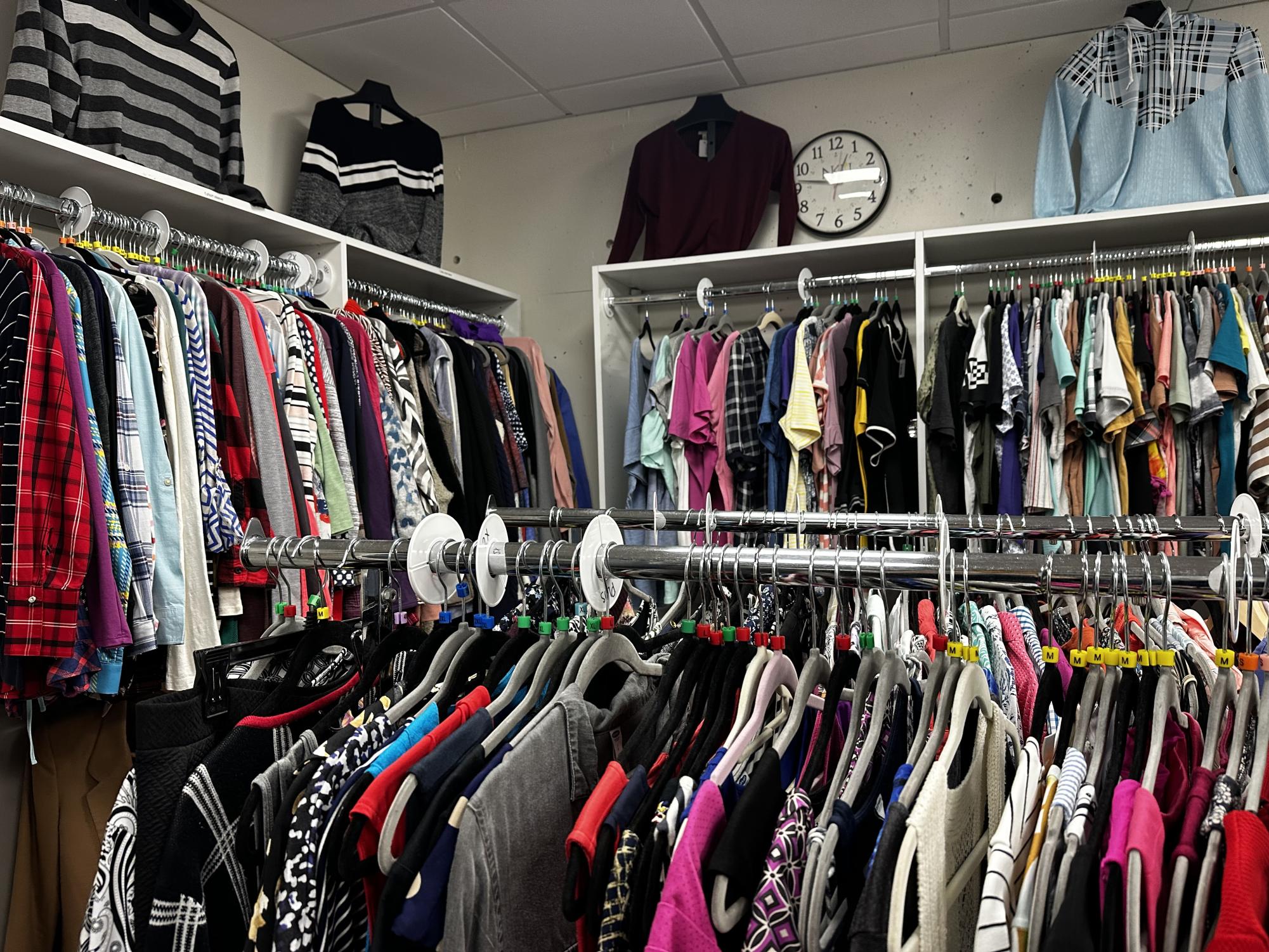
(Ella Rose Johnston)
The program provides free clothing to students, including everyday wear, professional attire and accessories. Like FUEL NKU, it is open to all students without financial screening.
According to a 2025 MSIO Capstone Report on the Care Closet @ NKU, 214 students used the closet in fall 2024, recording a total of 350 visits. This marked a 39% increase in visits compared to fall 2023. More than 900 students attended Care Closet events and tabling activities.
Adams said access to clothing is directly tied to student confidence.
“Everyone should have the opportunity to feel good about going to class, going to that interview and feeling comfortable and that Care Closet can help,” Adams said.
Like FUEL NKU, the Care Closet is designed to feel accessible and welcoming rather than transactional.
Students can walk in during open hours or attend pop-up events held across campus. The experience is intentionally similar to a thrift boutique environment, allowing students to browse and select items freely.
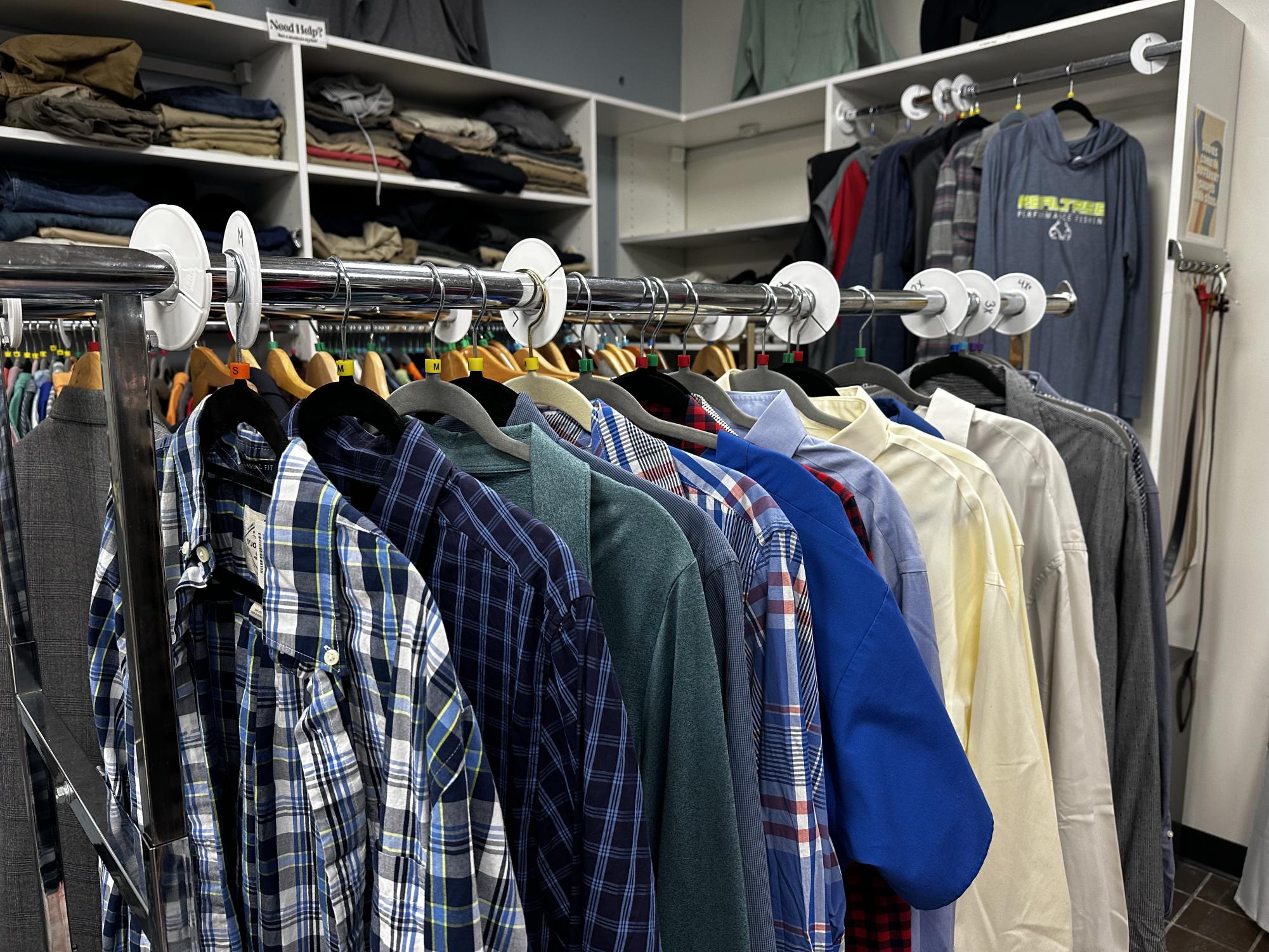
The program also offers clothing for specific needs, including professional attire, special occasion items and gender-affirming apparel, such as chest binders for transgender and nonbinary students. Research shows chest binding can improve mental health, self-esteem and feelings of safety and acceptance in social, academic and workplace settings, highlighting the importance of continuing the service on campus.
NKU’s approach has also drawn attention from other institutions looking to develop similar programs. According to university officials, schools including the University of Louisville have reached out to learn more about the Care Closet model.
A Care Closet report found NKU offers a broader range of programming and clothing options than many peer institutions, which often focus primarily on professional attire.
As the role of basic-needs programs expands, so does the definition of what it means to support students. The biggest thing about these programs is that they are reducing financial insecurity. Students can seek help with no questions asked.
(Ella Rose Johnston)